Resin outdoor dining chairs and changing weather: what helps them last
Outdoor dining chairs face a harder job than indoor seating. They sit through warm afternoons, cool evenings, rain, pool splash, garden dust and strong sun, often with little protection. Resin furniture is built around that reality. The material, the shape of the pieces and the way they are used all affect how well a chair keeps its looks and comfort through changing weather.
What resin furniture is made to do
Resin outdoor furniture is usually made from synthetic materials formed into chairs, tables and other pieces. In many cases, the resin is molded or shaped so the frame, seat and back work as one piece, or as a small number of joined parts. That matters outdoors because fewer loose joints mean fewer places for water to sit and fewer small parts to loosen after repeated use.
The material is not porous in the way untreated wood can be. Rain tends to bead or run off rather than soak in, which helps reduce swelling, staining and warping. Resin also does not need painting to stay outdoor-friendly. Color is often built through the material or applied as a finish suited to exterior use, so minor scuffs are less likely to reveal a bare layer underneath.
This does not mean resin is immune to weather. Sunlight, heat, cold and grime all have an effect over time. The practical advantage is that the material is predictable. It gives a chair a stable base for outdoor use, and routine care is usually simple enough to fit into normal patio upkeep.
How weather affects a chair
Sun exposure is the slowest and most constant challenge. Ultraviolet light can fade color and make some plastics feel dry or brittle after long periods. A chair left in full sun every day will age differently from one stored in shade or covered when not in use. That does not mean sunny patios cannot use resin seating. It means placement is part of the decision, especially where chairs stay out all season.
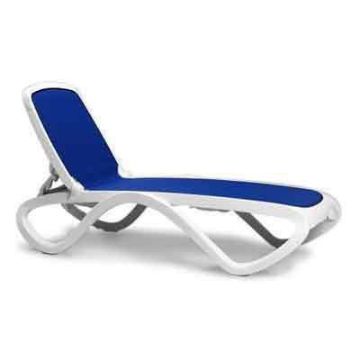
Rain and humidity bring a different set of issues. Water itself is less troublesome than trapped moisture. If a seat has a deep hollow, a crack around a joint or a flat area where puddles collect, dirt can settle there and mildew may appear on nearby cushions or surfaces. Good drainage is one reason slatted seats, open backs and raised legs are useful features.
Temperature changes can also make materials expand and contract. Well-designed resin pieces allow for that movement instead of fighting it. Wide legs, rounded edges and flexible shapes can help a chair tolerate seasonal shifts without obvious stress. Stacking and moving chairs in cold weather is gentler than yanking them across rough paving, since brittle behavior is more likely when materials are cold.
Why design matters as much as material
A chair can be made from a weather-tolerant material and still feel awkward in daily use. The shape decides whether rain clears, whether the seat feels comfortable and whether the chair is easy to move when the weather changes. Curved seats often shed water better than flat ones. Open backs allow air to pass through on hot days. Smooth edges make cleaning easier because dirt has fewer corners to hold onto.
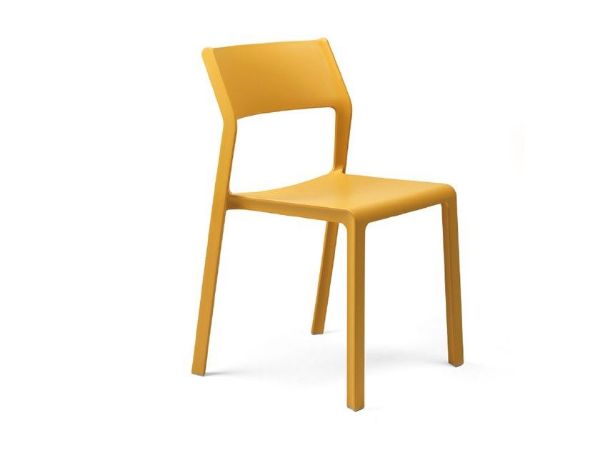
Stackable chairs are a practical example. When a storm is forecast or a patio needs clearing after a gathering, chairs that stack neatly save time and reduce clutter. They also make seasonal storage more manageable. Stackability is not only about convenience. It encourages people to protect seating when conditions are harsh, which can support the appearance and feel of the material over the years.
Weight is another quiet factor. A very light chair can be moved quickly, but wind may push it around. A heavier resin chair may feel steadier on an exposed deck, yet it can be harder to rearrange for dining or cleaning. The right balance depends on the setting. Poolside areas, windy balconies and sheltered garden tables all place different demands on seating.
What this means for outdoor dining chairs
For outdoor dining chairs, comfort and durability need to work together. Dining seating is used differently from a lounge chair. People sit upright, lean forward, shift position and expect the chair to pair with a table at a comfortable height. A seat that looks neat but feels stiff will not get much use. A seat that is comfortable but traps water will be a constant maintenance problem.
Resin patio furniture can suit dining areas because it handles the usual mix of spills, rain and sun with straightforward care. A quick wipe after a meal can keep crumbs and drink marks from building up. A broader clean at the start and end of the season can remove pollen, dust and garden residue before they become embedded around legs or joints.

The table setting also shapes how weather affects the chairs. A table can shield seats from direct sun and light rain, though it may also create a sheltered spot where dust settles. Chairs pushed tightly under a table can rub at contact points when moved. Leaving a little space between pieces helps air circulate and reduces scraping during cleanup.
Practical checks before choosing
Choosing seating for changing weather is less about finding a perfect material and more about matching the chair to the place it will live. A few simple observations can prevent disappointment later.
- Notice how much direct sun the dining area gets, and whether chairs can be moved into shade.
- Look at the seat and back for openings that allow water to drain and air to move.
- Check that the chair height works with the table and that the seat has enough depth for relaxed dining.
- Consider whether the chairs need to stack, especially if the patio is cleared often.
- Think about the surface beneath them, since rough concrete and stone can scuff contact points.
Chair dimensions deserve attention in smaller spaces. A chair that fits a dining table but crowds the patio can make everyday use feel cramped. Allow enough room to pull a seat back without knocking into planters, railings or walls. In commercial dining areas, easy movement and predictable stacking can matter as much as appearance.
Care that keeps things simple
Routine care for resin seating is usually about removing dirt before it settles. Loose dust can be brushed or wiped away. Spills can be cleaned with mild soap and water, followed by a rinse or damp wipe so residue does not remain. Soft cloths and sponges are safer than abrasive pads, which can dull the surface.
After heavy rain, it helps to let chairs dry fully before stacking them. Trapped water can leave marks or encourage musty smells, especially if cushions are stored with the chairs. Fabric cushions need their own care. Even when the frame handles moisture well, cushions may need drying time and should not be shut away damp.
Seasonal storage does not need to be complicated. A covered, dry spot is useful where temperatures swing sharply or where chairs face long periods of strong sun. If outdoor storage is the only option, keep chairs off wet ground and allow air to move around them. A tight cover placed over damp furniture can cause more problems than leaving the pieces to dry first.
Signs to watch over time
Resin chairs tend to show gradual changes rather than sudden failure. Fading can appear on the surfaces facing the most sun. A chair may feel lighter or less rigid if it has been exposed to harsh conditions for years. Joint areas can collect dirt, and stacking points may show rub marks. These signs are usually a cue to adjust care or placement rather than replace seating right away.
Check the feet and contact points now and then. Grit trapped under a leg can act like sandpaper when a chair is dragged. Keeping that area clean supports both the chair and the patio surface. If a chair has developed a crack that affects its strength, it should be taken out of use rather than loaded with weight. Damaged seating is a safety issue, not just a cosmetic one.
Resin patio furniture works best when it is treated as outdoor equipment with a simple care routine, not as something that needs constant attention. The material offers a practical base, while good design and sensible placement do the rest. For patios, dining areas, poolside spaces and gardens, that combination gives chairs a better chance of staying comfortable, tidy and ready for use as the weather shifts.